
Winter Cross-Country Skiing in Ignalina District
Ignalina offers some of Lithuania's finest cross-country skiing terrain. This guide covers trail difficulty, essential gear, optimal conditions, and techniques to stay warm during long days on skis.
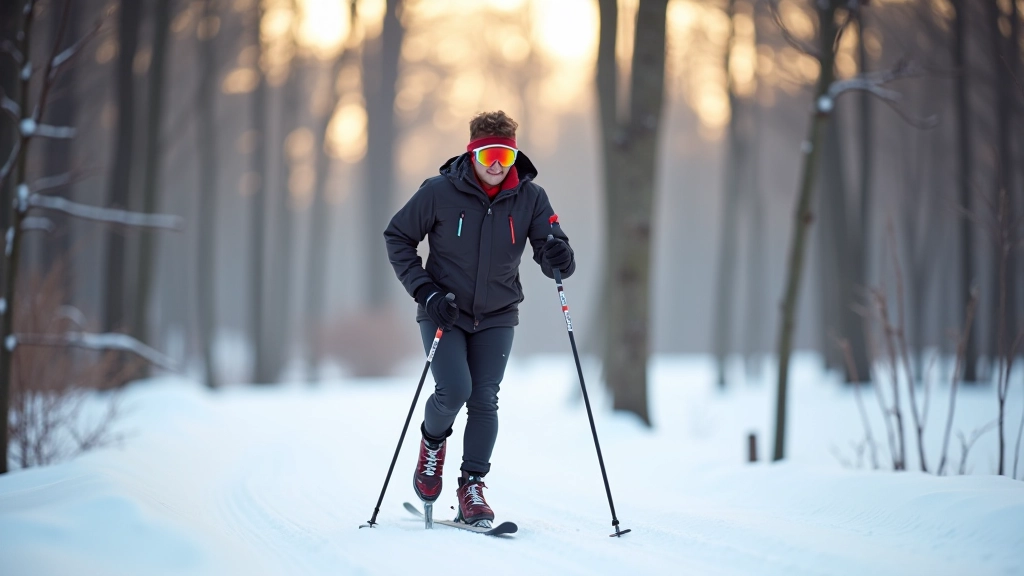
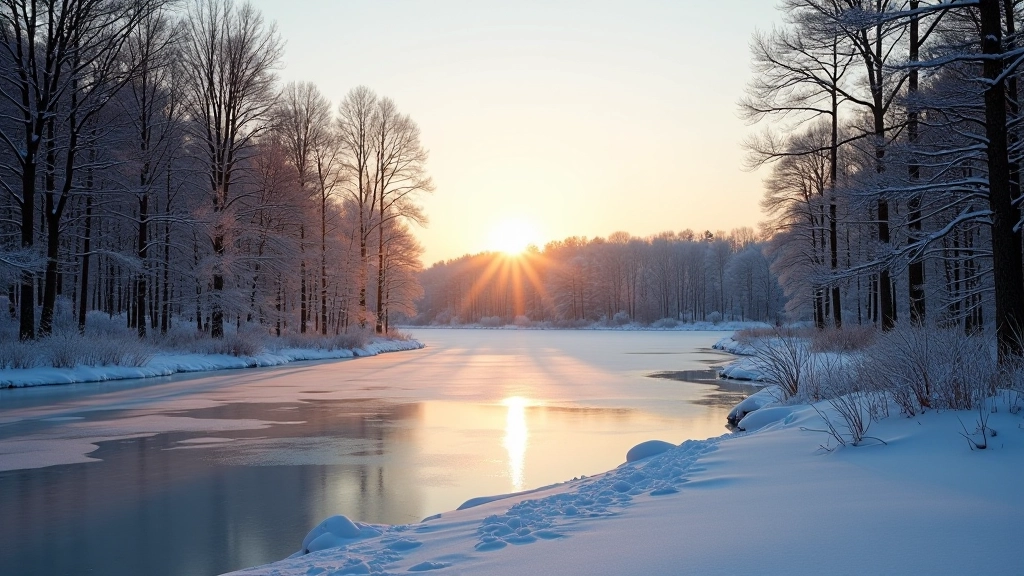
The Ignalina District sits in eastern Lithuania's Lake District, where winter transforms the landscape into a skier's playground. You'll find over 200 kilometers of marked trails winding through pine forests, around frozen lakes, and across gentle hills. It's not crowded like some Alpine resorts — most days you'll have trails mostly to yourself, which is part of the appeal.
Cross-country skiing here isn't just about fitness. It's a meditative experience. The quiet of the forest, the rhythm of your skis, the way snow crunches under your boots — these things matter. Whether you're training for speed or just want a peaceful day outdoors, Ignalina delivers both.
Quick Facts
- Best season: December through February
- Trail system: 200+ kilometers maintained
- Elevation gain: Minimal to moderate
- Crowd level: Peaceful, rarely crowded
Understanding Trail Difficulty Ratings
Trails in Ignalina use a simple three-tier system. Green trails are flat or nearly flat, perfect for learning technique or recovering between harder efforts. You'll typically ski 8-12 kilometers per hour on these, and most beginners can handle them within their first or second outing.
Blue trails introduce gentle rolling hills and require decent balance. Expect some short climbs — nothing steeper than about 5 degrees — and slightly more technical turns. Most recreational skiers spend 70% of their time on blues because they offer real workout without excessive difficulty.
Red trails are the serious stuff. These climb 50-100 meters over a few kilometers and demand good technique on the way up and solid control on descents. Most people tackle one red trail per season when conditions are perfect. The satisfaction is real, but so's the effort.
Trail Selection Tips
Pick green trails your first visit. You'll learn if your technique is solid. On visit two or three, try a blue section — you can always turn around. Red trails aren't going anywhere. Give yourself time to earn them.
Essential Gear and Layering
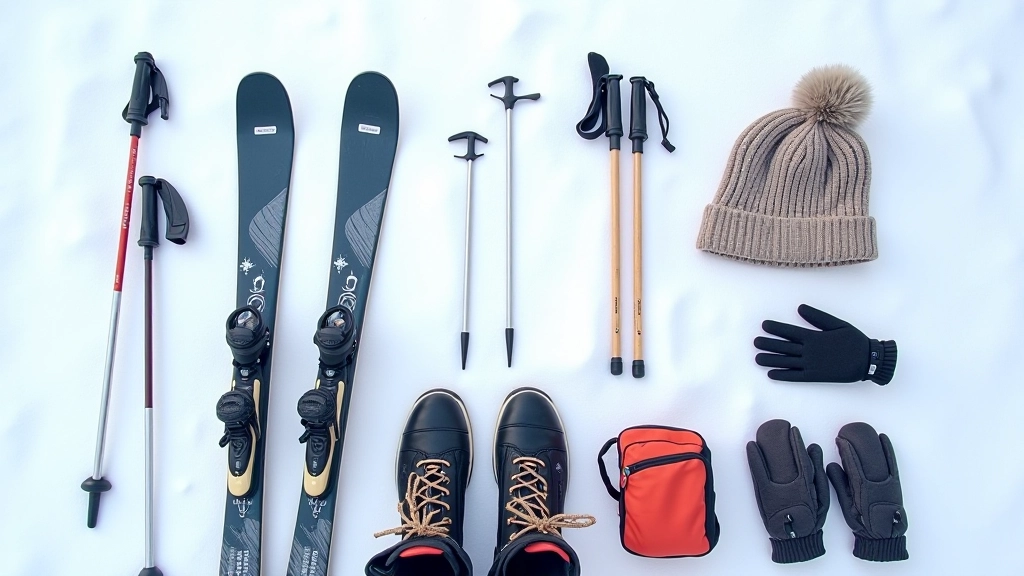
Don't show up with downhill ski equipment. Cross-country skis are thinner, lighter, and your boot connects only at the toe — your heel lifts with each stride. You'll rent skis for about 12-15 euros per day, which beats buying until you're sure you'll return.
Layering matters more than thickness. Start with a merino wool base layer — it breathes and stays warm even when damp. Add a fleece mid-layer. Top it with a wind-blocking shell jacket. You should feel slightly cool at the start. You'll warm up fast.
Hands get cold quickly. Invest in mittens rated for -10 to -15 degrees Celsius. Wool socks — not cotton — keep your feet happy. Gaiters seal the gap between boot and pants so snow doesn't creep in. These details prevent misery.
Pack These:
- Water bottle or hydration bladder (stay hydrated even in cold)
- Energy bar or dates (burns calories fast in cold)
- Sunscreen and lip balm (snow reflects UV)
- Small first aid kit with blister treatment
When to Ski and Weather Considerations
Ignalina's season typically runs December through early March. The best snow comes in January and February. December can be thin and icy — you'll notice your skis catching edges. March means warming trends, slushy mornings, and trails turning to slop by afternoon. Early morning sessions are crucial in late winter.
Temperatures here drop to -15 degrees Celsius on hard days. That's manageable if you're dressed right. Windchill is the real enemy. A 20-kilometer-per-hour wind at -10 degrees feels like -20. Check the forecast. Plan your route accordingly.
Fresh snow means slower skiing — the skis sink deeper into powder. Old packed trails are faster but require better technique to navigate the crust and ice. Overcast days are actually preferable — the light is better for depth perception on ungroomed sections.
Ideal Conditions
Temperature: -5 to -12 degrees Celsius. Wind: Less than 15 kilometers per hour. Snow: 3-5 days old, packed and groomed. Cloud cover: Overcast. These conditions give you speed, good visibility, and manageable cold.
Basic Technique and Staying Efficient
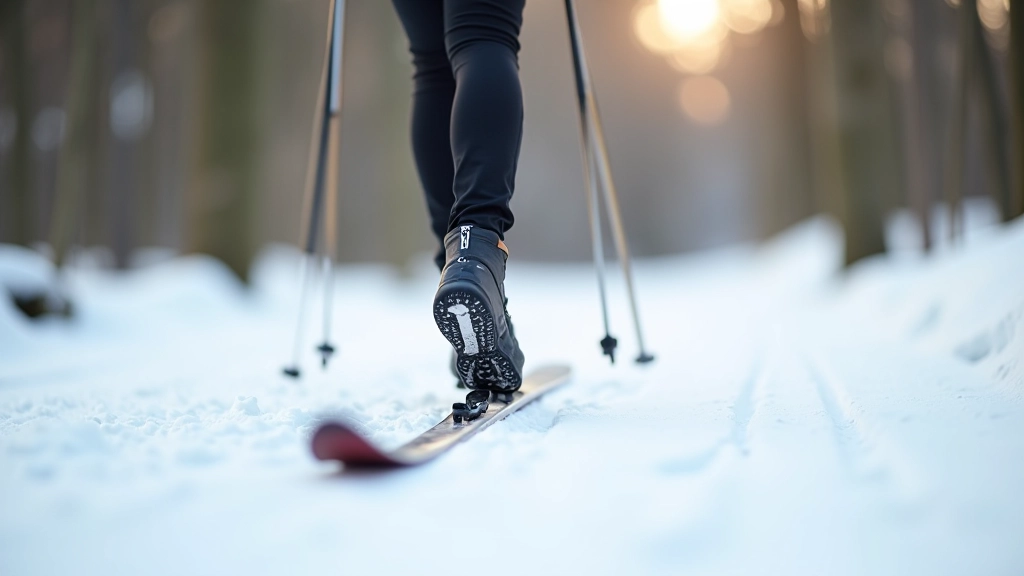
The classic stride is the foundation. Push off with one leg while gliding on the other, like a skating motion. Your arms swing opposite your legs — right arm forward with left leg. This rhythm is crucial. Once you find it, your body relaxes and efficiency improves dramatically.
Climbing requires a different mindset. Your heel lifts, so you're essentially walking uphill on skis. Shorter, quicker strides work better than long ones. If you're slipping backward, your skis aren't gripping the snow — this usually means you're rushing. Slow down, let each ski set properly.
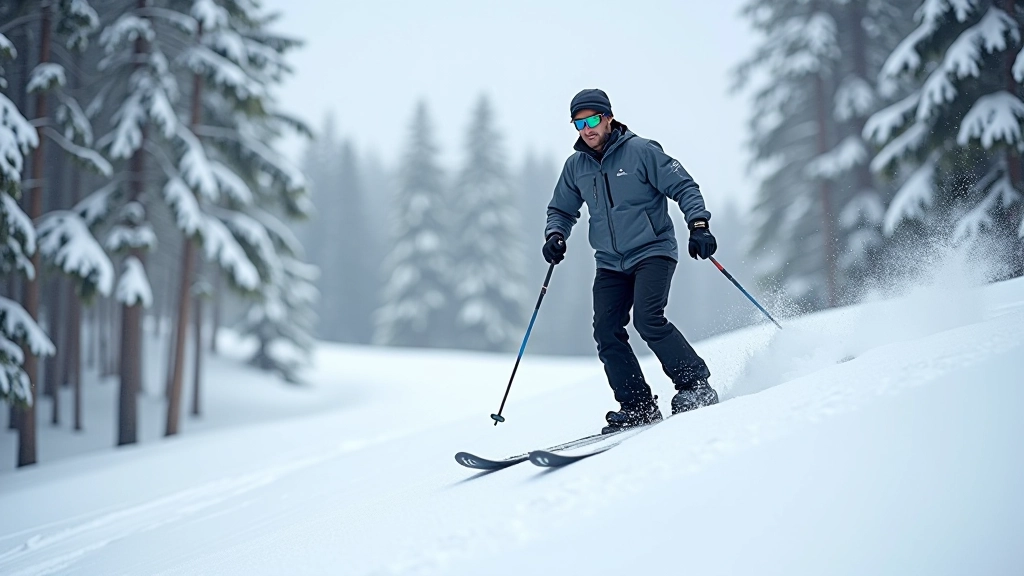
Descents demand control. Keep your weight centered, knees slightly bent, hands relaxed. Most accidents happen when skiers tense up. Tension causes overcorrection. Breathe, stay loose, let gravity do the work. Falling is part of learning — it's not a failure, it's data.
The Most Common Mistake
New skiers rush the rhythm. They try to move faster than their body's natural pace. Slow down intentionally. Find your comfortable cadence. Speed comes from efficiency, not effort. A skilled skier looks relaxed because they're not fighting gravity or momentum.
Staying Warm on Long Ski Days
Take Breaks Strategically
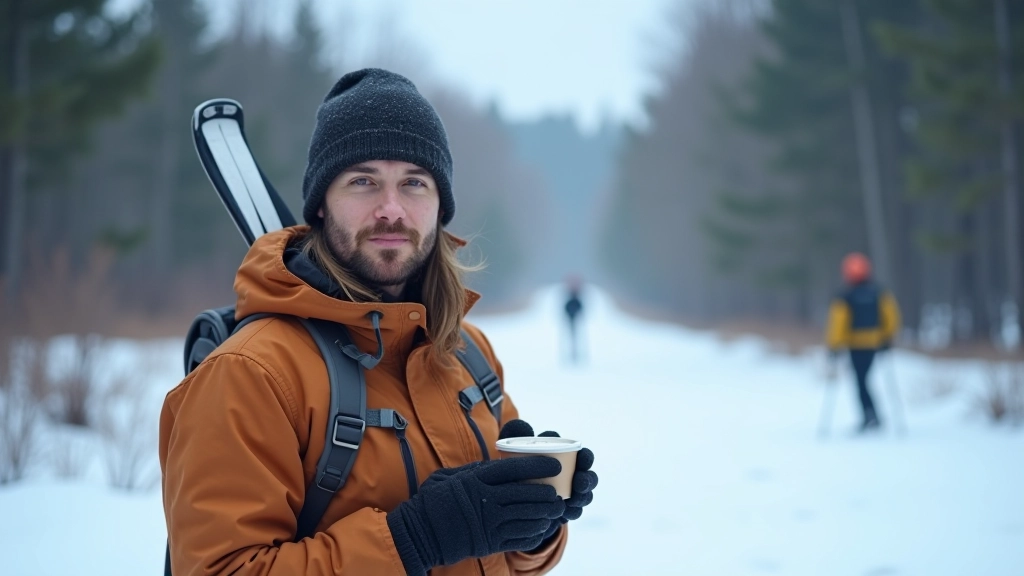
Stop every 60-90 minutes in a sheltered spot — a forest opening, behind trees blocking wind. Keep moving while resting: march in place, swing your arms. Don't sit down. Eat something with carbs and fat. This refuels your engine and gives your core time to maintain heat production.
Manage Your Pace
Ski harder on climbs, easier on flats and descents. This keeps your heart rate steady instead of spiking and crashing. A steady burn generates consistent warmth. Spiking your effort creates sweat, then you cool down rapidly when you ease off.
Cover Extremities First
Fingers and toes lose heat fastest. Invest in quality mittens, not gloves — mittens keep fingers together, conserving warmth. Wool socks with a second pair of thin synthetic socks underneath. Keep moving those extremities. Swing your arms to push blood to your hands using centrifugal force.
Getting Started in Ignalina
Ignalina District offers everything you need for an excellent cross-country skiing experience. The trails are well-maintained, the scenery is stunning, and the crowds are minimal. You don't need expensive equipment — renting is perfectly fine for your first few visits. You don't need elite fitness — green and blue trails are accessible to anyone willing to learn basic technique.
Start small. Pick a green trail near the main lodge. Ski for 5-7 kilometers. Stop before you're exhausted. Come back the next day when conditions are fresh. Each visit builds confidence and technique. By your third or fourth outing, you'll notice things feeling smoother. Your body will remember the rhythm.
Winter in Ignalina is brief — usually just 8-10 weeks of reliable skiing. Make the most of it. The forest is waiting, the trails are calling, and that quiet sense of peace you'll find out there is worth every bit of the preparation.

Explore More Winter Activities
Disclaimer
This article is educational material designed to provide general information about cross-country skiing in Ignalina District. It's not a substitute for professional instruction, and conditions vary significantly based on weather, season, and individual circumstances.
Winter sports carry inherent risks including falls, cold exposure, and physical strain. Before skiing, consult with a physician if you have any health concerns. Always wear appropriate safety gear, check weather and trail conditions before heading out, and consider hiring a qualified instructor for your first few sessions. Ignalina District tourism offices provide current trail status, weather forecasts, and rental information.
The information provided here reflects typical conditions but isn't guaranteed. Snow depth, ice coverage, and trail maintenance change throughout the season. Personal experience, physical fitness, and technique proficiency vary. This guide aims to educate, not to promise specific outcomes or guarantee safety under all circumstances.