Stand-Up Paddleboarding on Lithuanian Lakes: Getting Started
Lithuania's pristine lakes offer some of the most peaceful paddling experiences in the Baltics. Whether you're drawn to the calm waters of Galvė Lake or the scenic beauty of Drūkšiai, stand-up paddleboarding lets you explore at your own pace. We'll walk you through balance techniques, which lakes work best for beginners, safety essentials, and how to get your first board.
Why Lithuanian Lakes Are Perfect for Beginners
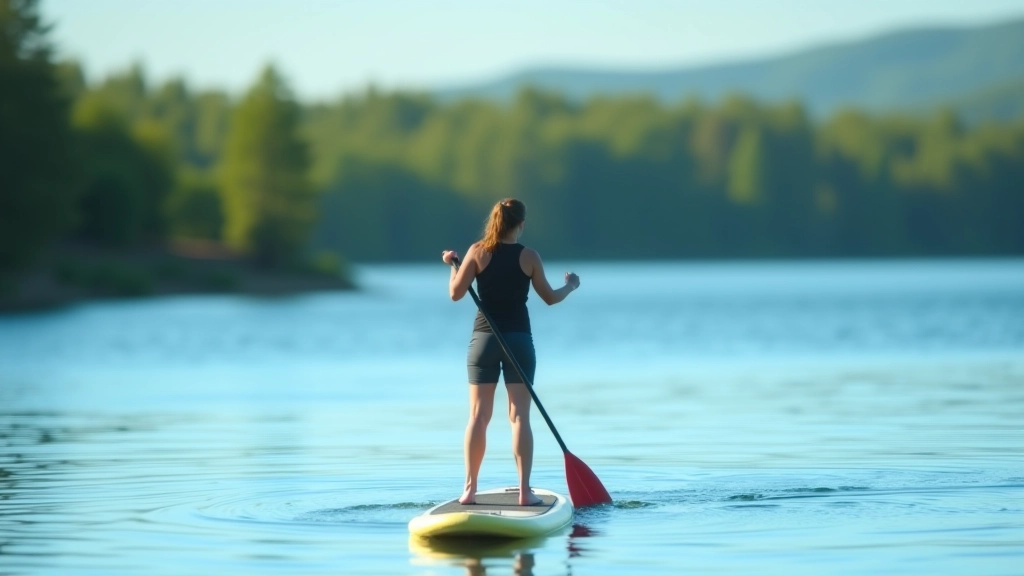
Most Lithuanian lakes have shallow, protected areas where you'll feel confident learning. The water's generally calm, especially in spring and early autumn. You're not fighting waves or strong currents like you would in ocean paddleboarding — just pure, peaceful exploration.
It's honestly one of the best ways to experience Lithuania's landscape. You get perspectives you'd never see from shore, and the physical benefits are real. Your core strength improves, balance gets sharper, and you'll be surprised how much of a workout it actually is.
Calm Waters
Most Lithuanian lakes are protected from waves and strong currents, making them ideal for learning the basics without overwhelming conditions.
Accessible Entry
Shallow launch areas mean you can start in just waist-deep water, building confidence before heading to deeper sections.
Scenic Routes
Galvė, Drūkšiai, and Vilkoksniai lakes offer stunning shorelines with forests, wildlife, and quiet natural beauty to paddle through.
Mastering Balance: The First Week
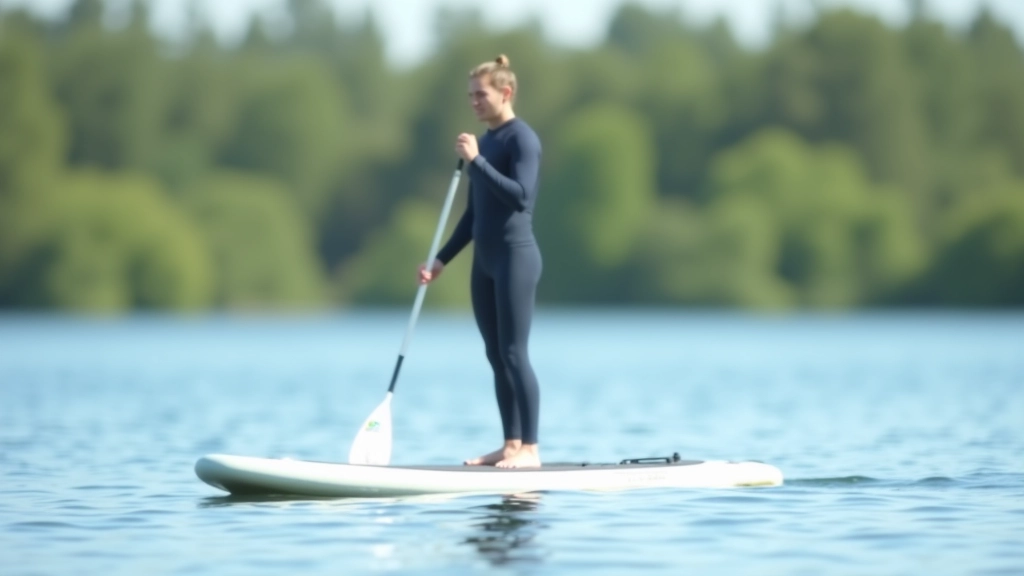
Balance isn't intuitive at first. But here's what we've found works: start on your knees. Seriously. It sounds simple, but kneeling cuts your center of gravity in half. You'll get a feel for how the board responds to your weight shifts without the fear of falling.
After about 20 minutes kneeling, stand up — but keep your feet shoulder-width apart and your knees slightly bent. Don't lock them straight. Your core does the work, not your legs. Most beginners spend their first few sessions falling in. That's normal. Expect it, plan for it, don't stress about it.
By session three or four, you'll notice you're staying up longer. Your body's learning to micro-adjust. By week two, you'll paddle short distances without dumping. It's genuinely satisfying.
Best Lakes for Beginners
Galvė Lake
The most popular choice. Galvė sits in Trakai and stays shallow near town. The water's protected, rental shops are nearby, and you've got clear views of Trakai Island Castle. Perfect for a first-time outing. You can paddle for an hour and barely venture far from shore if you don't want to.
Drūkšiai Lake
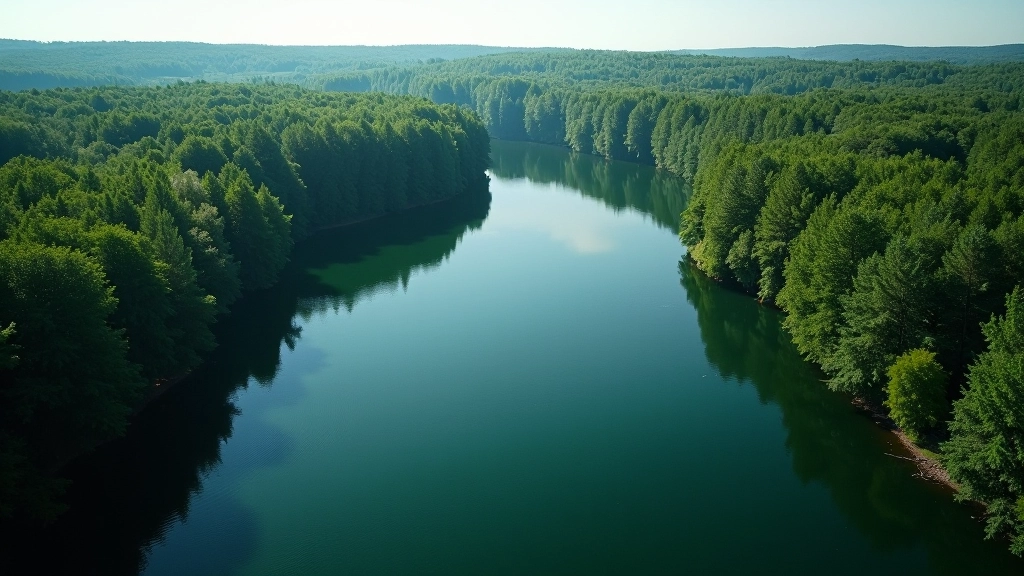
Quieter than Galvė. Located near Molėtai, it's larger but still calm. Fewer crowds, more forest. The scenery's stunning — you'll paddle past quiet coves and see wildlife if you're patient. Takes about 40 minutes to reach, but worth it once you're comfortable on the water.
Vilkoksniai Lake
Remote and beautiful. Small enough that you'll feel secure but interesting enough to explore. Fewer facilities nearby, so rent equipment before you arrive. The isolation means cleaner air and clearer water. Brings out the nature-explorer vibe in paddleboarding.
What You Actually Need
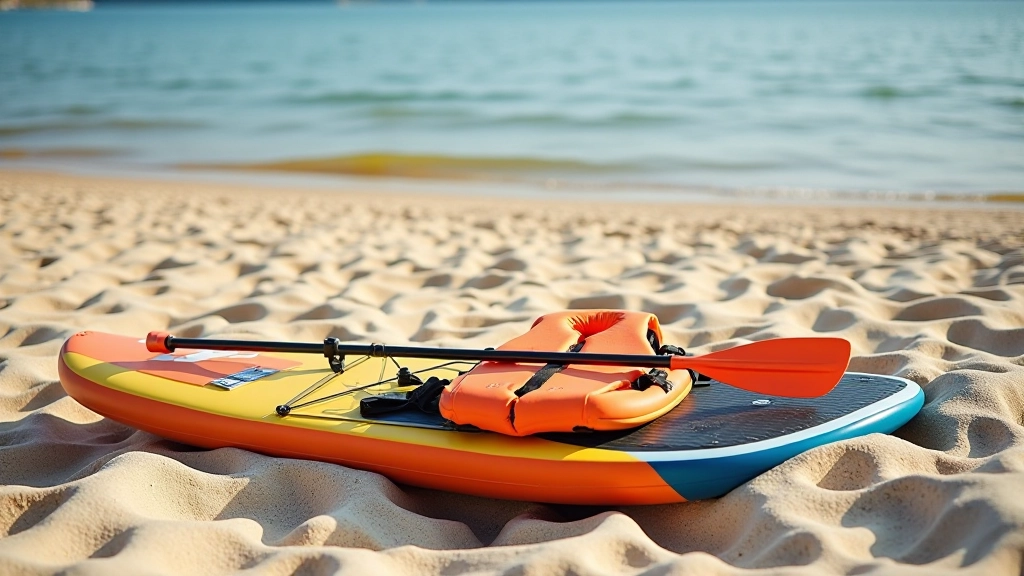
Don't overthink gear. You need three things: a board, a paddle, and a life vest. Everything else is optional until you're comfortable.
The Board
Beginners should start with 10 to 11 feet long. Longer boards are more stable. Avoid anything under 10 feet unless you're already comfortable. Width matters too — 30 to 32 inches gives you good stability. Inflatable boards are cheaper to rent and easier to transport. They're just as effective as hardboards for lake paddling.
The Paddle
Get one that reaches from the water to your wrist when you stand. Too short and you'll exhaust yourself. Too long and you'll struggle with technique. Most rental places have decent paddles. A fiberglass or aluminum paddle weighs less and won't fatigue your shoulders as quickly.
The Life Vest
Non-negotiable. Wear it. Every time. Even if you're confident, even if the water looks calm. You'll fall in eventually. A proper life vest keeps you afloat if you're exhausted or hit your head. Don't skip this.
Safety Essentials You Can't Skip
Water Awareness
Check water temperature before you go. Lithuanian lakes in spring are cold — you're looking at 10-15°C. Cold water shock is real. A 3mm wetsuit makes a massive difference. Don't tough it out in just a t-shirt.
Sun Protection
Water reflects UV rays. You'll burn faster than you think. Apply sunscreen 30 minutes before launching, reapply every two hours. Wear a hat or rashguard. Summer sun at midday is intense — consider paddling early morning or late afternoon instead.
Know Your Route
Tell someone where you're paddling and when you'll be back. Stick to areas you know. Don't paddle alone. Wind can kick up quickly — what's calm at 8 AM might be choppy by noon. If conditions change, turn back.
Leash and Float
Use a leg leash to keep your board attached if you fall. A floating paddle is smart too — it's easier to recover if it goes overboard. These aren't optional extras; they're safety gear that prevents bad situations from becoming dangerous ones.
Renting vs. Buying Your First Board
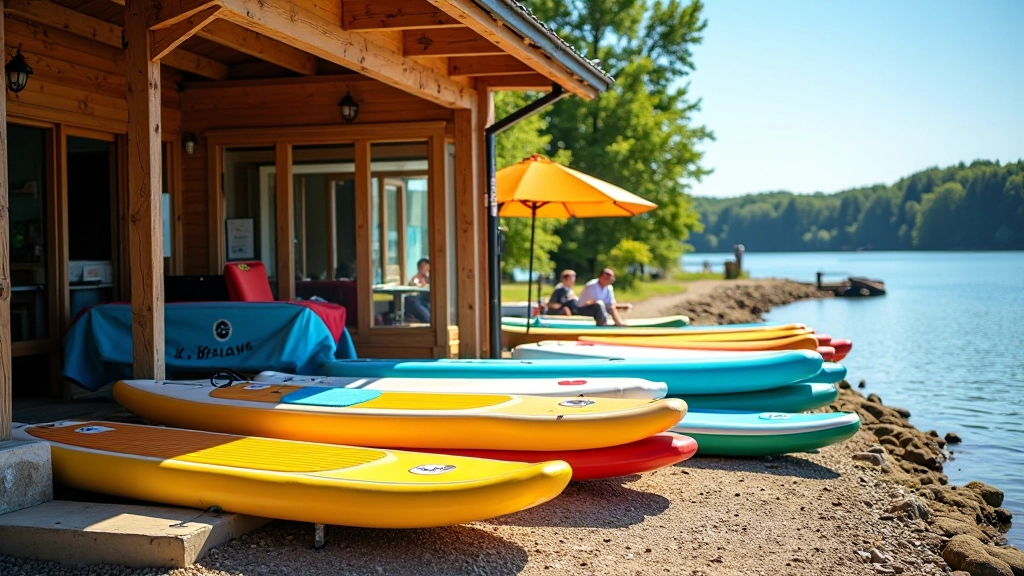
Start by renting. Seriously. You'll try different board types, paddle styles, and figure out what actually feels good. Rental shops near Trakai run about €15-25 per day for a full setup. That's way cheaper than buying a €500+ board you might hate.
After 5-10 outings, you'll know whether you want to invest. If you're hooked, a decent inflatable board runs €300-600. Hardboards are more durable but harder to store. For Lithuanian lakes, inflatables work perfectly — they're stable, they last, and you can throw them in your car.
The rental shops at Galvė Lake are solid. Equipment's maintained, staff knows what they're doing, and they'll actually give you tips on technique. Use that knowledge. Ask questions. Most staff paddleboard themselves and'll point you toward the best routes and quietest times to go out.
Quick Tips to Make Your First Session Better
Wear shoes or booties
Lake bottoms can have sharp rocks or shells. Neoprene booties or water shoes protect your feet and give you better grip on the board.
Start in the morning
Water's usually calmer before noon. Wind picks up as the day warms. Plus you'll beat the crowds and get better light for photos.
Bring water and snacks
You'll be more active than you expect. Dehydration sneaks up fast. A small dry bag with water and an energy bar keeps you comfortable for longer sessions.
Go with a friend
Paddling solo is peaceful, but having someone with you builds confidence. Plus it's safer. You can help each other if anyone struggles, and honestly, it's just more fun.
Don't rush progress
Your first few sessions are about comfort and balance, not distance. Paddle 30 minutes and call it a win. Your body will thank you, and you'll actually enjoy it instead of being exhausted.
Ready to Get on the Water
Stand-up paddleboarding isn't complicated, and Lithuanian lakes are genuinely forgiving places to learn. You'll probably fall in a few times. Your shoulders might ache a bit. And somewhere around session three or four, you'll realize you're actually getting it — balance improves, paddling becomes rhythm instead of effort, and the peace of being on the water hits different.
Start with rentals at Galvė or Drūkšiai. Wear your life vest. Practice in shallow water. Build your confidence gradually. And don't skip the safety stuff — it sounds boring until you actually need it. Most importantly, enjoy it. You're exploring Lithuania's natural beauty in a way most people never experience.
Important Disclaimer
This article provides general educational information about stand-up paddleboarding on Lithuanian lakes. It's not a substitute for professional instruction, and water sports carry inherent risks. Always wear a properly fitted life vest, check weather and water conditions before paddling, and consider taking lessons from a certified instructor. Water temperature, weather, and local conditions vary. Your safety is your responsibility. If you have health conditions that might affect water sports, consult a healthcare provider before paddling.

Explore More Activities