
Kayaking the Nemunas River: A Complete Beginner's Guide
Learn everything you need to know before paddling Lithuania's longest river. We cover what gear you'll need, the best launch points, and what to expect from currents and wildlife along the way.
Why the Nemunas River is Perfect for Beginners
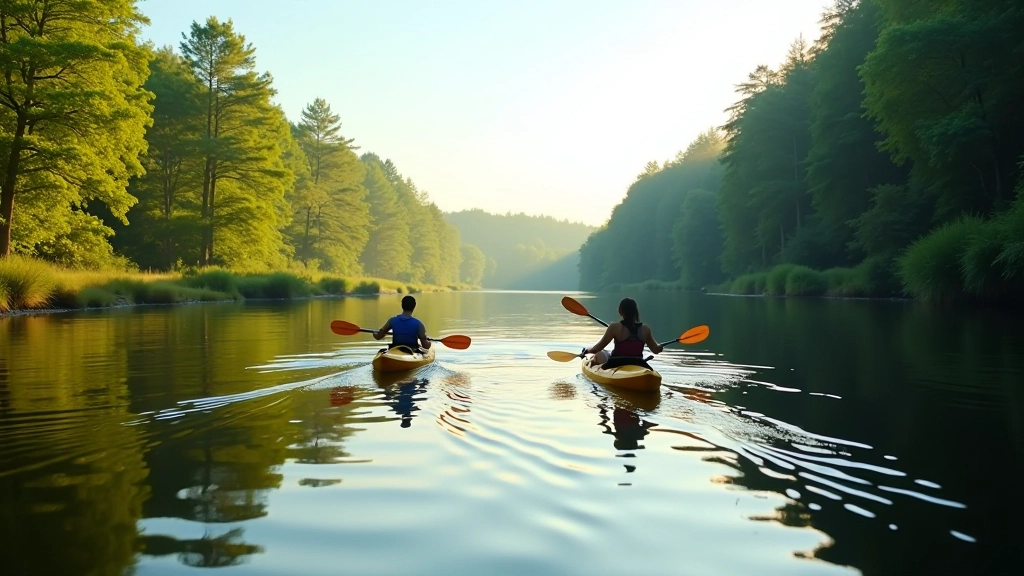
The Nemunas River stretches 937 kilometers through Eastern Europe, with over 450 kilometers flowing through Lithuania. It's the country's longest river, and it's genuinely one of the best places to start paddling if you're new to kayaking.
Here's the thing — the Nemunas doesn't demand expert skills. Most sections move gently, the water's usually calm in summer months, and you'll find plenty of safe access points. Plus, the scenery is remarkable. Dense forests line both banks, you'll spot white storks nesting in spring, and the whole experience feels peaceful rather than intense.
We've guided hundreds of first-time paddlers down this river. Most people who were nervous at the start end up planning their next trip by the time they finish. That's because the Nemunas rewards careful paddling with steady progress and genuine connection to the landscape.
Essential Gear You'll Actually Need
The Kayak
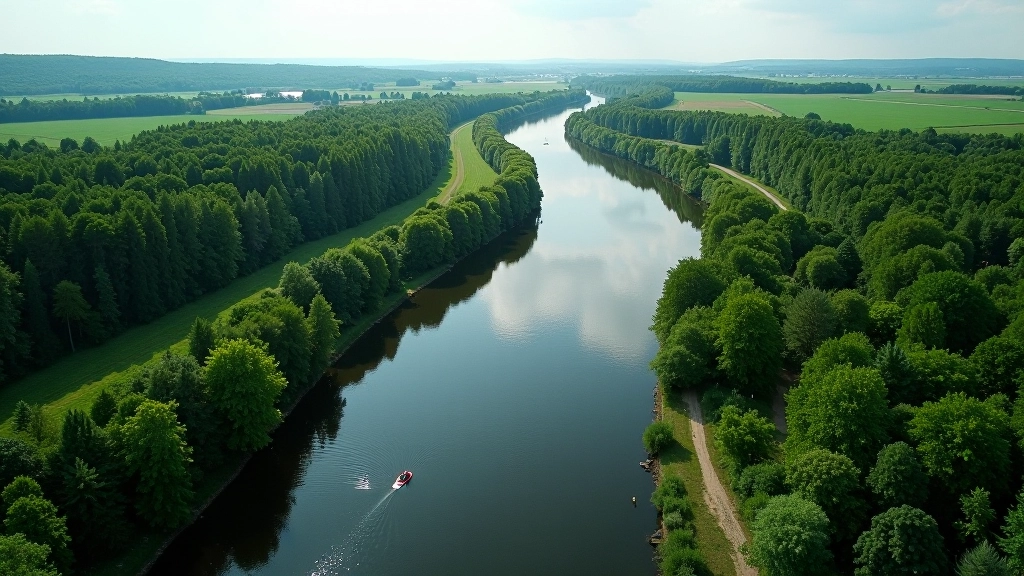
Don't overthink this. A recreational kayak works fine for the Nemunas. You'll want something stable — 9 to 10 feet is the sweet spot. Wider boats (around 32-34 inches) stay upright better when you're learning. Rent first if you're not sure about the investment.
Personal Flotation Device
Non-negotiable. Wear it the entire time. Get a coast guard approved vest that fits snug — not loose. You'll stay more comfortable, and honestly, you'll paddle better when you're not worried about staying afloat.
Paddle
A basic paddle is fine to start. You're looking for something around 220-240 centimeters depending on your height. Lighter paddles reduce arm fatigue. Rent a few different styles before buying to find what feels natural.
Sun & Weather Protection
Water reflects UV rays like crazy. Wear sunscreen — lots of it. Bring a hat and polarized sunglasses to cut the glare. A lightweight waterproof jacket isn't essential in summer, but you'll be glad you have it if weather shifts.
Dry Bag
Pack your phone, keys, and snacks in a waterproof dry bag. Tie it to your kayak so you don't lose it if you flip. A 10-liter bag handles most day trips without making the kayak feel cramped.
Water & Snacks
Bring more water than you think you'll need. Dehydration sneaks up fast on the water. Pack energy bars or fruit. You'll paddle better when your energy's stable and you're not thirsty.
Best Launch Points for Beginners
The Nemunas has dozens of access points, but not all of them work well for people just starting out. You want spots with easy parking, gentle entry to the water, and sections of river that don't demand advanced paddling skills.
Merkinė to Birstonas (25 kilometers) — This is the classic beginner section. The current's gentle, the water's usually clear, and there's a real sense of progression as you paddle downstream. Most people finish this stretch in 6-8 hours with a lunch break. Parking at Merkinė is straightforward, and you can arrange a shuttle back from Birstonas.
Kaunas Old Town (9 kilometers) — Want something shorter? This section takes about 2-3 hours. You'll paddle through the heart of Lithuania's second-largest city, seeing historic architecture mixed with forest. Current's predictable, water's calm. Perfect for a morning or afternoon trip.
Jurbarkas area — If you want to avoid city sections, the stretch around Jurbarkas is serene. Mostly forest, minimal boat traffic, and the current stays manageable. It's quieter than the Merkinė route but equally rewarding for paddling practice.
Core Techniques for the Nemunas
You don't need fancy paddling skills for this river, but a few solid fundamentals make everything easier and safer.
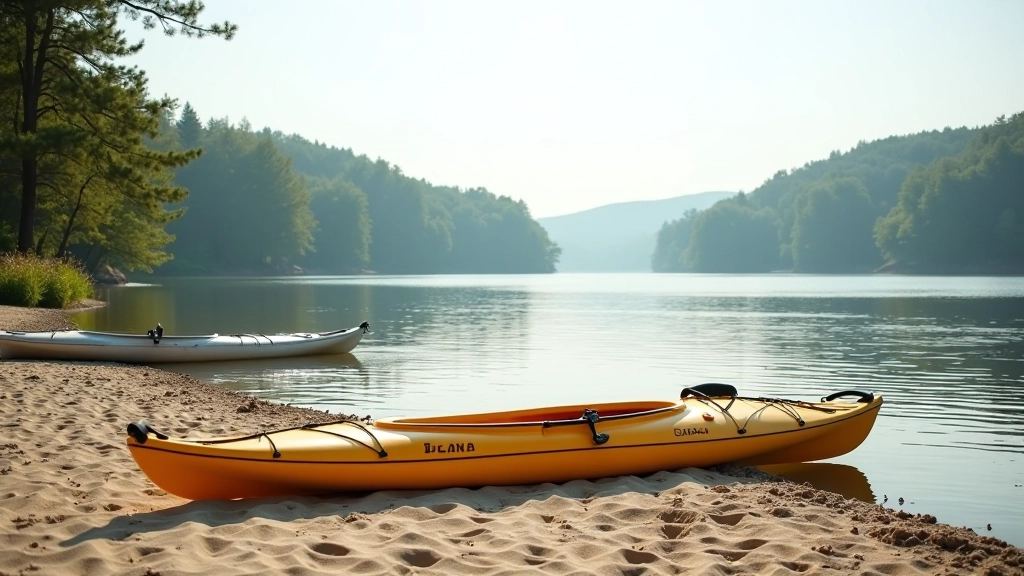
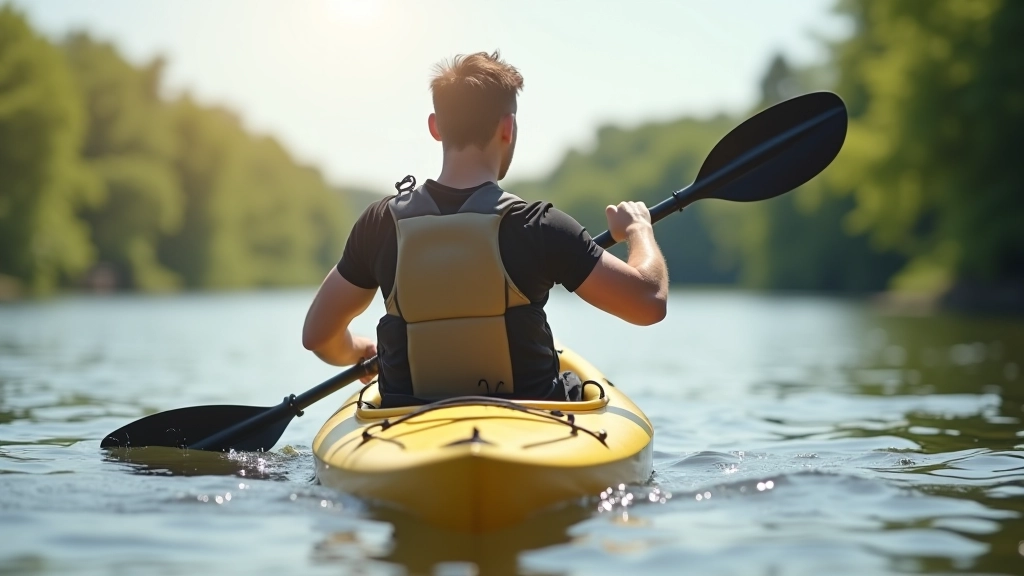
Forward Stroke — This is 90 percent of what you'll do. Sit up straight, engage your core, and rotate your torso as you paddle rather than just using your arms. The power comes from your body turning, not your shoulders. It's less tiring and you'll go faster with less effort.
Turning — The Nemunas curves, so you'll turn constantly. Lean slightly into the turn and take one or two strokes on the side you want to turn toward. Don't overthink it. Most turns on this river are gentle anyway.
Bracing — This is your backup plan if the kayak tilts. Lean away from the tilt and plant your paddle blade flat on the water. It stabilizes you instantly. Practice this in shallow water before you need it in deep water.
Here's the reality — the Nemunas teaches you through paddling. Start slow, focus on smooth strokes, and you'll develop good habits naturally. Most people find their rhythm by the second hour on the water.
What You'll See: Wildlife & Nature
Birds
White storks nest along the banks in spring and early summer. You'll spot herons, cormorants, and kingfishers. Bring binoculars if you're into birdwatching. The river's basically a migration corridor for dozens of species.
Fish
Pike, perch, and pike-perch live in these waters. You might see them jump. Fishermen dot the banks in evening hours. Don't expect to interact with fish while paddling — they mostly stay deeper — but knowing they're there connects you to the river ecosystem.
Mammals
Beavers build dams in quieter sections. Otters hunt fish but you're unlikely to see them during daylight. Deer sometimes come to the water's edge at dawn and dusk. Stay quiet and still if you spot movement on the banks.
Plants & Ecosystem
Wetlands and reed beds create natural habitats along sections of the river. Oak and pine forests dominate the banks. The water itself supports aquatic plants and algae. It's a complete ecosystem and you're paddling through the middle of it.
Safety Essentials: What Actually Matters
The Nemunas isn't a dangerous river, but it demands respect. Most incidents happen because paddlers skip basic precautions or ignore changing weather.
Check the weather before you launch — and we mean actually check it, not just look outside. Afternoon thunderstorms happen fast. If rain's forecast for afternoon, start early or wait for another day. Wind on a river makes paddling harder and flipping more likely.
Tell someone where you're going — Leave your launch point and expected return time with a friend or family member. If something goes wrong, rescuers need to know where to look. This takes two minutes and it's genuinely important.
Know the current flow — The Nemunas flows gently but consistently. You're moving downstream faster than you realize. Factor this into your trip time. What feels like a 5-hour paddle upstream is maybe 3 hours downstream. Plan accordingly.
Wear your PFD the entire time — Not when you're tired. Not when the water looks calm. The entire time. It's uncomfortable at first but you adapt in 30 minutes. It keeps you alive if things go wrong.
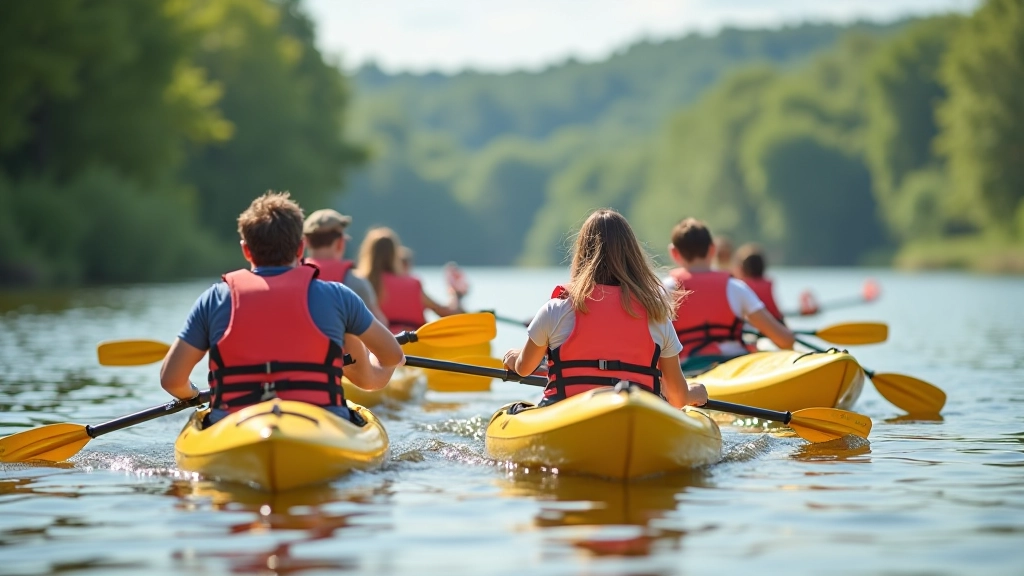
Start with group paddles — Don't do your first Nemunas trip solo. Go with a club or guide service. You'll learn more, feel safer, and meet people who paddle regularly. Local kayaking clubs organize trips almost every weekend in summer.
Best Times to Paddle
May through September is peak season. Water temperature's warm enough, weather's generally stable, and daylight lasts until 9 or 10 p.m. in June. You can paddle leisurely and still finish before dark.
June is arguably the best single month. Storks are nesting, wildflowers bloom on the banks, water's warm, and you've got maximum daylight. The river's busy on weekends but weekday mornings are peaceful.
April and October work if you're flexible. Water's colder — you'll want a wetsuit — and weather's less predictable. But the scenery changes dramatically. Spring migration brings thousands of birds. Fall brings brilliant colors. These months reward paddlers who don't mind variable conditions.
Avoid November through March . Winter water temperatures drop below 5 degrees Celsius. Ice forms. You'd need serious cold-water gear and experience. Leave this season to the dedicated winter paddlers.
Your First Trip Starts Here
The Nemunas River is waiting. It's not intimidating, it's not overcomplicated, and it's genuinely accessible for someone picking up a paddle for the first time. You'll paddle through 900+ years of Lithuanian history, past forests that've sheltered generations of wildlife, and you'll develop a skill that opens up entire landscapes across Europe.
Start with good gear, solid safety practices, and realistic expectations. Take a guided trip if you can. Talk to paddlers who've done the river. Watch videos of the sections you're interested in. Then pick a calm morning in May or June, load your kayak, and launch.
The hardest part is showing up. Everything after that flows naturally. Literally.

Related Articles
Disclaimer
This article provides educational information about kayaking on the Nemunas River. It's not a substitute for proper instruction, professional guidance, or personal judgment about your own abilities and limitations. River conditions, weather, water levels, and access points change constantly. Always check current conditions before paddling, wear appropriate safety equipment, and never paddle alone if you're inexperienced. Consult with local guides, outfitters, or established kayaking clubs for up-to-date information and hands-on instruction. Paddling involves inherent risks. You're responsible for assessing your own skill level and making safe decisions about where and when you paddle.